Why Feedback, Not Code, Is the Bottleneck - VibeCodingList Delivers the Fix
Code is fast now; feedback isn’t. VibeCodingList turns scattered comments into a structured, incentivized flywheel so creators learn faster and ship smarter.
With today’s AI tools, a solo creator can knock out a working prototype in a fraction of the time it once took. Building has never been this fast.
What hasn’t kept pace is the feedback loop. The real challenge now is knowing what to build next, and getting high-signal feedback fast enough to turn a prototype into a product.
Andrew Ng recently put it simply: > Product management is the art and science of deciding what to build. Because highly agentic coding accelerates the writing of software… deciding what to build is the new bottleneck.
If a prototype takes a day, waiting a week for feedback is “really painful”. The bottleneck is no longer writing code. It’s the speed of decision-making and the quality of user insights and feedback.
Product strategists see the same pattern. Richard Mironov notes that as engineering accelerates, the real value shifts from producing more code to curating faster learning loops and amplifying user insight. More code is no longer the advantage. Faster, sharper learning is.
That’s where VibeCodingList (VCL) comes in. Built for creators, it’s designed to fix the feedback loop; turning scattered comments into a structured, incentivised flywheel for faster learning and iteration.
## The problem - Slow and scattered - Feedback arrives late, often days or weeks, and is spread across DMs, socials, and side channels. Decisions stall or default to guesswork.
- Low signal - Early projects attract polite “nice job!” comments, not the specific, actionable critiques that shape a real roadmap.
- No incentive to contribute - Contributors who give thoughtful feedback rarely get recognition. Without rewards, they churn out of the loop.
- Weak attribution - Builders have no clear way to credit the feedback that mattered or to see which contributors consistently add value.
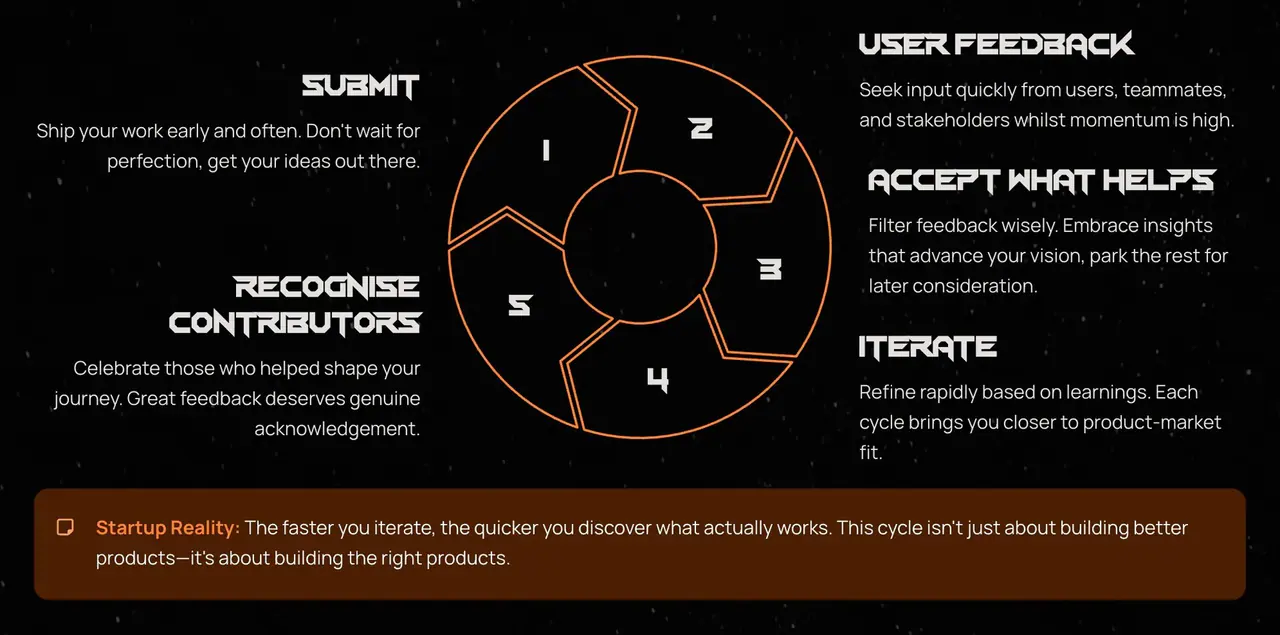
# The Feedback Flywheel VibeCodingList makes feedback a repeatable loop: 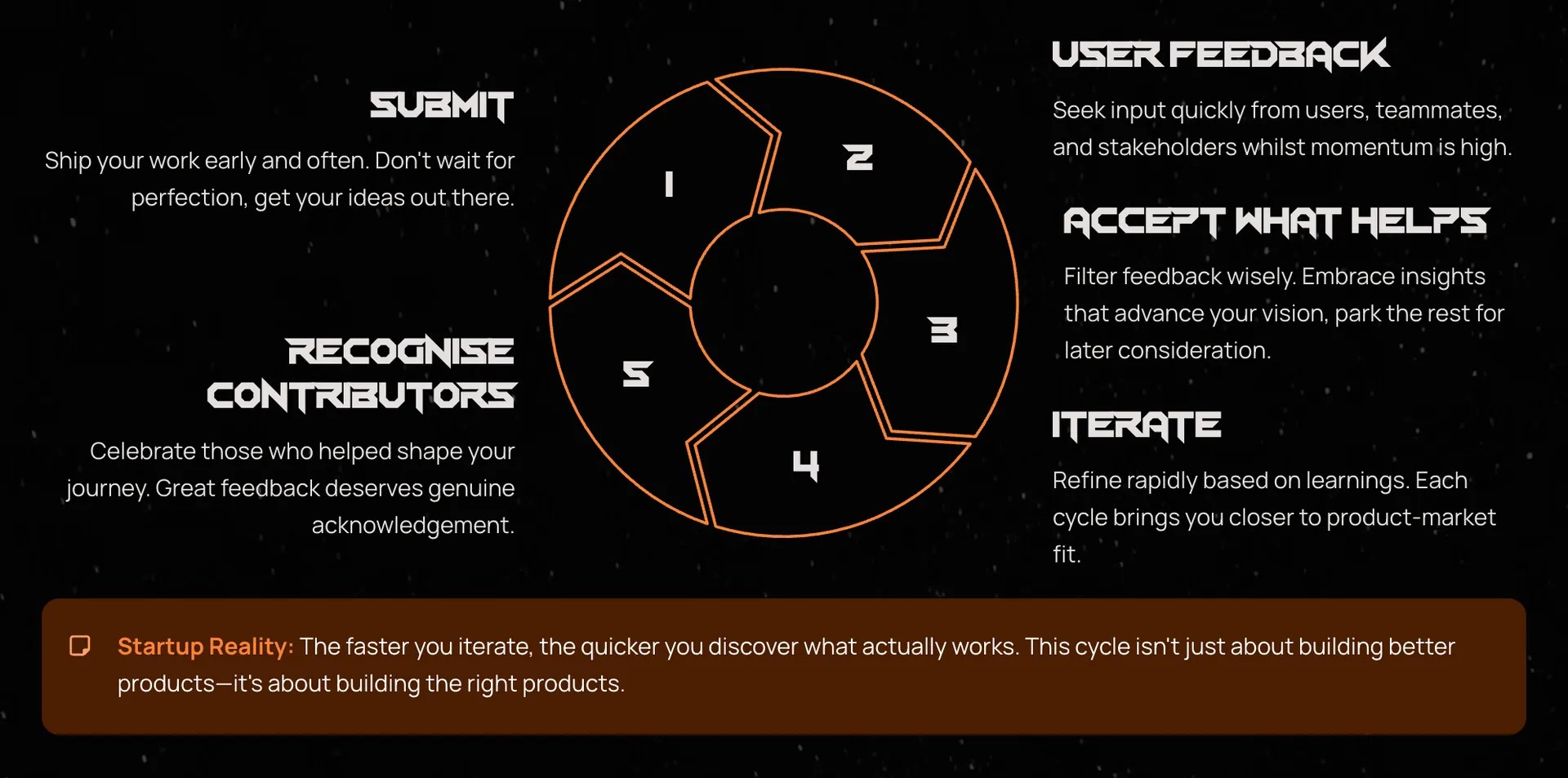
The result is a system that compresses the time between prototype and decision, while raising the signal of what matters. It’s feedback operationalised.
How it works
Contributors
Users choose areas of expertise, from UX and mobile to growth and security. VibeCodingList matches them to projects that need their input right now. This channels domain-relevant feedback to the right builds at the right time.
Builders
Creators submit a live link and select the type of feedback they need, from onboarding UX to value clarity. Projects flagged Needs Feedback are surfaced across VibeCodingList so they get seen quickly, not buried.
Fast response rail
A dynamic Needs Feedback Now rail keeps time-to-first-feedback low. Fresh projects with few reviews rise to the top.
Triage
Builders can mark comments as Accepted, Helpful, Clarify, or Won’t do. Threads stay scannable, and contributors know exactly what landed.
Incentives
Points are awarded when builders validate feedback. Accepted comments earn the most, with bonus points for speed and variety. Contributors rise on the leaderboard as Feedback Champions, while builders also score points for accepting and implementing feedback, climbing as Top Builders.
Notifications & digests
Contributors are alerted when projects matching their expertise launch. Builders get notified as soon as feedback arrives. Both sides stay in the loop without chasing.
Why it works
Aligns incentives with learning speed. Only validated feedback earns points, rewarding quality over volume.
Keeps decision cycles short. Matching + prioritisation means builders get signal in hours, not weeks.
Builds empathy in. Expertise-based routing sends contributors where their input adds real value.
Focuses on the bottleneck. As Mironov highlights, the constraint is not output but insight. VibeCodingList invests directly in that loop.
Scales naturally. The more builders and contributors join, the stronger the flywheel spins.
Beyond feedback
The feedback system is only one part of the VibeCodingList toolkit. Creators can also access:
- **Projects** — explore community-built prototypes, see what other vibe coders are building, and share feedback to help them improve
- **Templates** — prebuilt modules to kickstart prototypes
- **Tools** — discover AI tools and dev utilities used by vibe coders
- **Blog** — insights, playbooks, and stories from the vibe coding community
- **Vibe Jams** — hackathons where projects gather real users and feedback in real time
Together, these tools turn prototypes into products and products into live ecosystems powered by creators.
Why it matters
The bottleneck in product has shifted. Code is fast. Feedback is slow. VibeCodingList fixes that gap for creators, with speed, incentives, and attribution built in.
As more builders and contributors join, the feedback loop compounds. Feedback leads to better products. Better products attract more explorers and contributors, creating a network where momentum naturally compounds.